Below is a list of our capabilities and studies we perform, grouped by application area. Unlisted studies can be customized. Please check our track record of custom-order contract services. If you are interested in our capabilities for reliability standard testing for pharmaceutical regulatory submissions, please click here for more information on our quality assurance system. We also welcome direct inquiries via the contact form.
List of individual studies (Click on each study to view a summary and study details.)
Immunology and inflammation-related studies
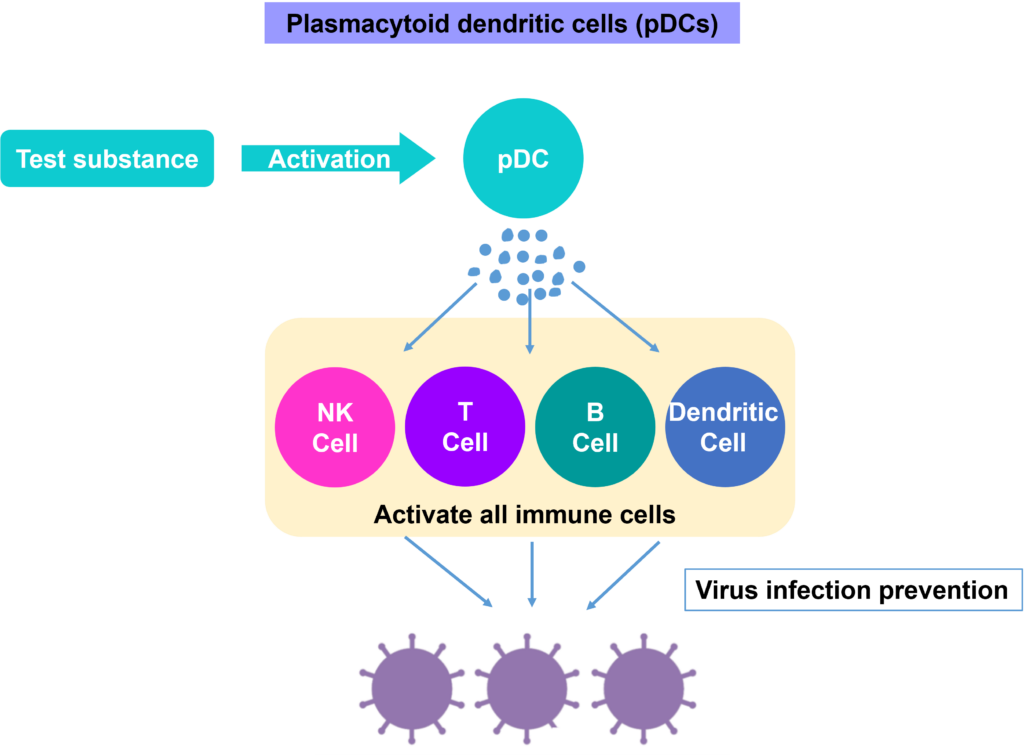
pDC activation study
Leveraging our technique to induce the differentiation of highly purified plasmacytoid dendritic cells (pDCs), we are able to provide screening and identification services for pDC-activating substances. >>Study details
Immune function regulation study
We are able to evaluate how specific test substances affect cytokine production using macrophages, which are central to the immune response. >>Study details
Inflammation suppression study
We are able to evaluate anti-inflammatory effects of test substances across various cell types, including human immune cells. >>Study details
Study on suppression of atopic dermatitis
Our cellular model of atopic dermatitis leverages human epidermal keratinocytes, allowing us to test and screen for substances using various gene expression analyses. >>Study details
Study on inhibition of histamine release
Our rat mast cell model allows for the evaluation of histamine-releasing properties of specific test substances. We measure the amount of free histamine released after substance administration as a readout. >>Study details
Study on promotion of IgA production
By evaluating IgA production using mouse Peyer’s patch cells, we screen for food ingredients that enhance IgA production in the intestinal tract. This allows us to evaluate if these substances possess immune-adjuvant properties. >>Study details
Evaluation of Anti-Coronavirus Activity
We can screen for substances with anti-coronavirus properties by using SARS-CoV2 Spike protein and ACE2-expressing cells. >>Study details
Study on suppression of enteritis
We are able to evaluate anti-inflammatory effects of test substances on intestinal tissue by using intestinal epithelial cells. >>Study details
Study on pulmonary function improvement
By using human lung cells, we are able to measure cytokine production as a readout of anti-inflammatory effects of test substances. >>Study details
Cosmetic-related studies
Melanin production suppression study (plate culture)
By using mouse-derived B16 melanoma cells or human melanocytes, test substances can be evaluated for melanin-suppressing effects. >>Study details
Melanin production suppression study (3D model)
Using a 3D human melanocyte skin model allows us to test for substances that can suppress melanin production in a more translationally-relevant manner. >>Study details
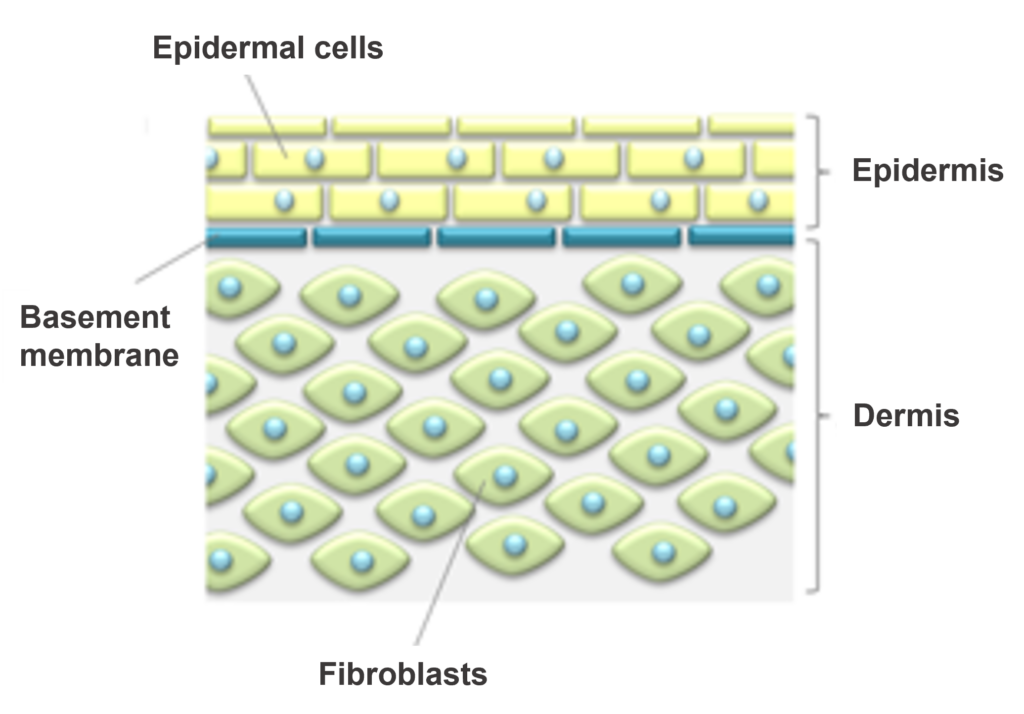
Fibroblast activation study
We can evaluate functional substances that promote firmness and have moisturizing properties in skin tissue by measuring the production of type I collagen and hyaluronic acid. This is mainly carried out in human skin fibroblasts. >>Study details
UV protection study
Using human epidermal keratinocytes, we can evaluate test substances for their ability to protect and prevent UV-related cellular stress. >>Study details
Study on skin moisturization and barrier function
By measuring gene expression related to ceramide and moisturizing factor synthesis, we are able to determine if test substances can moisturize and promote skin barrier function in human skin. These studies generally involve the use of human epidermal keratinocytes. >>Study details
Dryness prevention study
We can evaluate test substances for effects related to the improvement of skin and/or eye dryness. This is performed in human epidermal keratinocytes and/or corneal cells that have been subjected to conditions that simulate dryness. >>Study details
Promotion of cell migration/wound healing
Wound healing effects of test substances can be measured by cellular proliferation and migration of human skin-associated-cells. This aspect of migration is evaluated through image analysis. >>Study details
Dermal papilla cell activation
Hair growth and regrowth effects of test substances can be evaluated by measuring cell proliferation rates and production of hair growth promoting factors FGF-7 and VEGF in human dermal papilla cells. >>Study details
Male Pattern Hair Loss (AGA) suppression study
Test substances can be evaluated for their ability to inhibit hair loss factor production in human dermal papilla cells. This is measured by the amount of hair loss factor produced after test substance administration. >>Study details
Metabolism-related studies
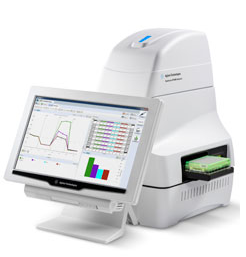
Metabolic function evaluation using a flux analyzer
Using an extracellular flux analyzer, we evaluate the cellular energy metabolic state in various cell lines in real time. >>Study details
Study on suppression of adipocyte differentiation
We can evaluate the anti-obesity effects of test substances by measuring the levels of adipocyte differentiation as a readout of anti-obesity. This can be performed in either mouse adipocyte cell lines or human preadipocytes. >>Study details
Lipolysis promotion study
We can evaluate the anti-obesity effects by quantifying free glycerol to determine if test substances can promote lipolysis, using mouse adipocyte cell lines or differentiated adipocytes derived from human preadipocytes. >>Study details
Adipose function improvement study
We can evaluate the ability of a test substance to convert white fat cells to brown fat cells as a measure of fat function improvement. White fat cells store energy as fat, as opposed to brown fat cells, which burn energy, and the conversion can be an indicator of an anti-obesity effect. >>Study details
Mitochondrial activation evaluation
Mitochondrial activity and quantity can be measured across various cell types to evaluate whether a test substance is capable of activating mitochondria. >>Study details
Glucose uptake assessment
We can evaluate if test substances have anti-obesity or anti-diabetic effects by measuring respective increases or inhibition of glucose uptake in both adipocytes and/or skeletal muscle cells. >>Study details
Study on improvement of bone metabolism
By measuring osteoblast and osteoclast differentiation, we can determine how test substances influence bone formation and metabolic function on bone-related cells. >>Study details
Cartilage function improvement
Using rabbit or human chondrocytes, we can evaluate if test substances are able to improve cartilage function by measuring levels of hyaluronic acid and acidic mucopolysaccharide production. >>Study details
Muscle enhancement study
In this study, mouse and/or human myoblast cell lines are used to evaluate if test substances can induce myotube differentiation. This is measured by imaging analysis. >>Study details
Muscle atrophy suppression study
We evaluate the ability of a test substance to inhibit muscle atrophy. This is done by forming myotubes from mouse or human myoblasts, then inducing muscle atrophy to quantify the expression of proteolytic enzymes. >>Study details
Liver function improvement study
We evaluate the ability of test substances to improve liver function by analyzing metabolic enzyme gene expression using primary cultured human hepatocytes and/or liver cancer-derived cell lines. >>Study details
Autophagy promotion study
This assay evaluates the autophagy-promoting effects of test substances across various cell types by using imaging analysis to quantify autophagic vesicles. >>Study details
Aging-related studies
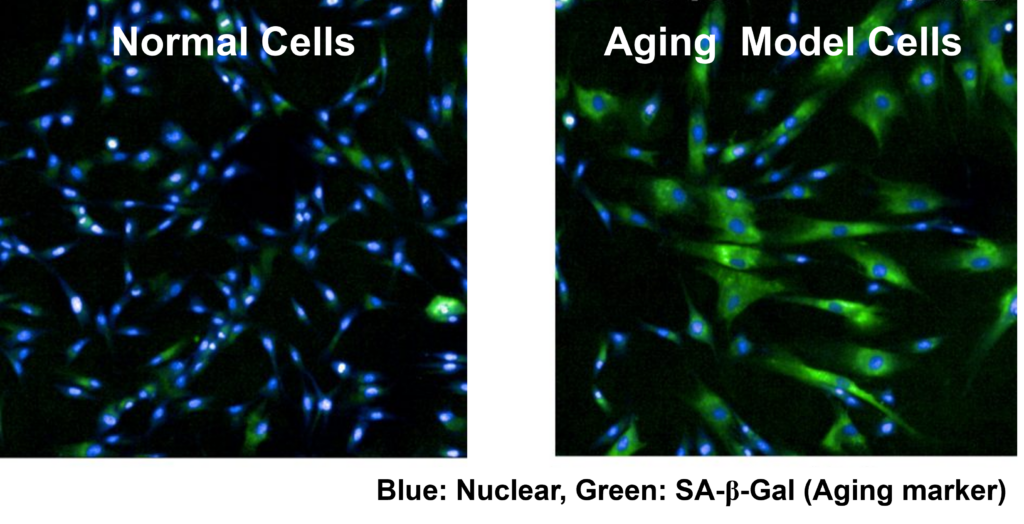
Study on removal of senescent cells
This study evaluates the ability of the test substance to selectively eliminate senescent cells using normal human fibroblast cell lines and passage-aged fibroblasts. >>Study details
Imaging analysis
High Content Analysis
We offer a range of high-content analysis services utilizing Revvity’s Operetta CLS and Opera Phenix Plus systems. >>Study and Equipment introduction
Fluorescence microscopy imaging of various samples
By using a microscope integrated with a culture system, we can conduct real-time observation of cellular dynamics such as proliferation and growth. >>Study and Equipment introduction
Blood vessel and blood-related studies
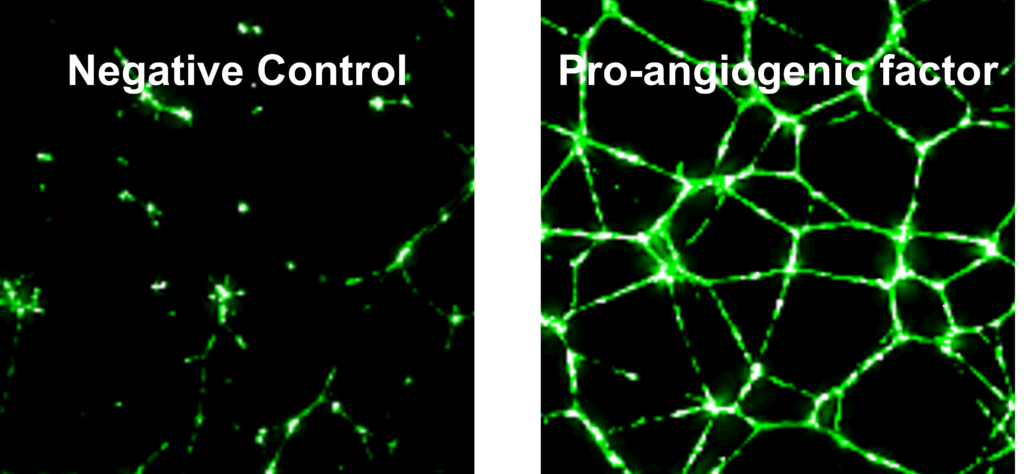
Study on promotion/inhibition of angiogenesis
We can evaluate the pro- and anti-angiogenic effects of test substances using human vascular endothelial cells and high-content screening equipment. >>Study details
Antithrombotic effect study
Substances that are able to prevent blood clots are considered antithrombotic, and can be evaluated in this assay using vascular endothelial cells. Indicators of antithrombotic effects can be measured by the production of vasodilatory factors by these cells. >>Study details
Evaluation of anti-atherosclerotic effects
We can evaluate the anti-atherosclerotic effects of a test substance using an arteriosclerosis model created with human aortic smooth muscle cells. >>Study details
Study on promoting blood cell differentiation
This study evaluates a test substance’s ability to promote differentiation into various blood cells using human myeloid leukemia cells (HL-60) or other cell types. >>Study details
Neurological related studies
Evaluation of neurite outgrowth
We perform imaging analysis of neurites in neuronal cell lines to evaluate the ability of test substances in promoting neurite outgrowth and stress protection against neurotoxic substances such as amyloid-beta. >>Study details
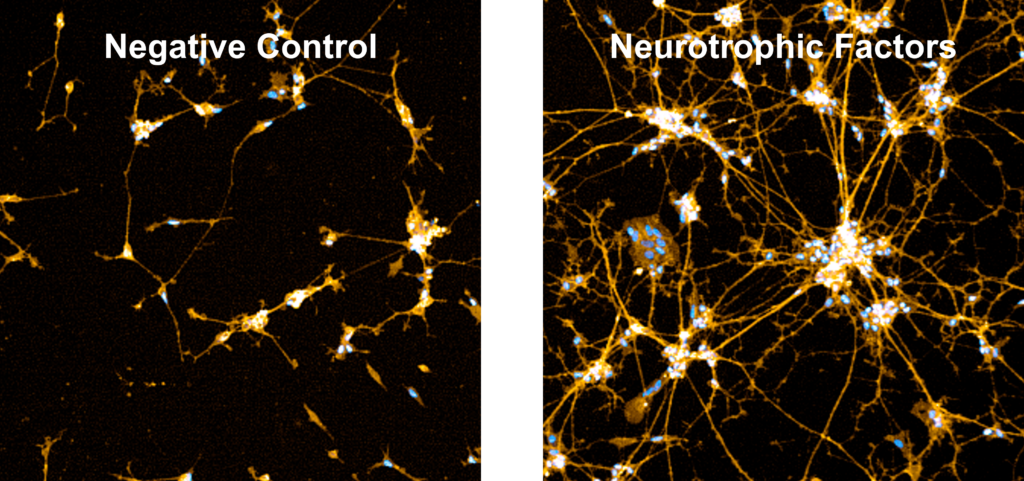
Study on promoting neurotrophic factor production
We can assess if test substances can increase the production of neurotrophic factors in glial cells. Neurotrophic factors are important for neuronal differentiation, regeneration and maintenance of neuronal cells. >>Study details
Cancer-related studies
Study on inhibition of cellular proliferation
We screen and evaluate novel compounds with anticancer activity by measuring the inhibition of cell proliferation rates using various cancer cell lines. >>Study details
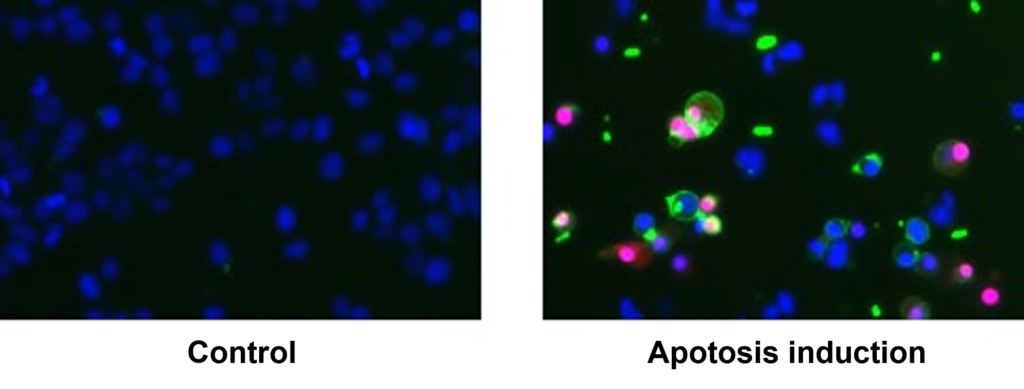
Apoptosis induction study
We use imaging analysis to evaluate how test substances induce apoptosis across various cell lines, including cancer cells. >>Study details
Study on inhibition of cancer cell invasion
Using a basement membrane model, test substances can be evaluated for their ability in inhibiting cancer cell invasion. >>Study details
Biochemical studies and Molecular biology studies
Protein expression analysis using Simple Western
We utilize Protein Simple’s fully automated Western blotting system to perform rapid and high-throughput quantitative analysis of protein expression. >>Study and Equipment introduction
Proteome analysis
Using Thermo Fisher’s Olink system, we leverage a proteomic analysis platform that is a highly scalable, multiplexed technology designed for comprehensive protein biomarker discovery and targeted analysis. >>Study details
Comprehensive gene expression analysis
We offer comprehensive genomic services tailored to your research needs, including RNA extraction from custom-cultured cells, advanced DNA microarray analysis, and high-throughput next-generation sequencing. >>Study details
Evaluation of transgene expression and overexpression
We offer flexible cell line development, creating custom transient or stable expressing cells tailored precisely to your research goals. Our team then conducts comprehensive, high-quality evaluation studies using these specialized cells to deliver the reliable data you need. >>Study details
siRNA knockdown evaluation
We utilize a diverse range of cell lines to execute precise gene knockdown and deliver comprehensive evaluation studies tailored to your research needs. >>Study details
Tyrosinase activity inhibition
We are able to evaluate if test substances are capable of inhibiting tyrosinase activity using a cell-free in vitro assay. >>Study details
Collagenase activity inhibition
We are able to evaluate if test substances are capable of inhibiting collagenase activity using a cell-free in vitro assay. >>Study details
NADPH oxidase activity measurement
We are able to evaluate if test substances are capable of modulating NADPH oxidase activity using a cell-free in vitro assay. >>Study details
Potency evaluation studies
Recombinant protein evaluation
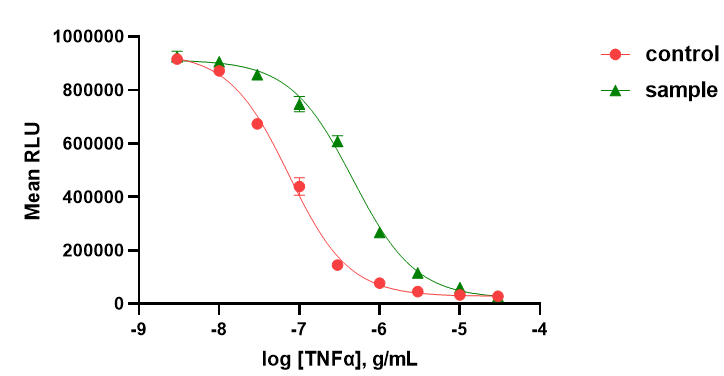
We provide support for your project by recommending the optimal cells and test systems for your target recombinant protein, delivering precise activity evaluations. >>Study details
Evaluation studies for cell culture substrate
Substrate evaluation
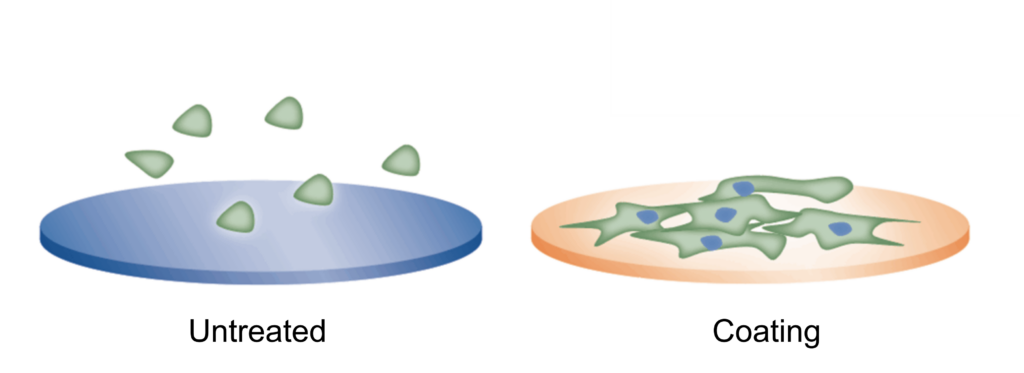
We select the most appropriate cell lines and assays systems to suit the evaluation of your cell culture substrate, while providing constant feedback on the progress and performance of the assay. >>Study details
iPS cell (iPSC)-related studies
iPSC-based study
We provide comprehensive support for diverse experimental, research, and development projects involving iPSC. >>Study details
Signal Molecule Interaction Evaluation study
Various reporter assay
We can customize reporter assays using the specific cells required for your project. Contact our team today to discuss how we can tailor our testing capabilities to meet your precise research needs. >>Contact us
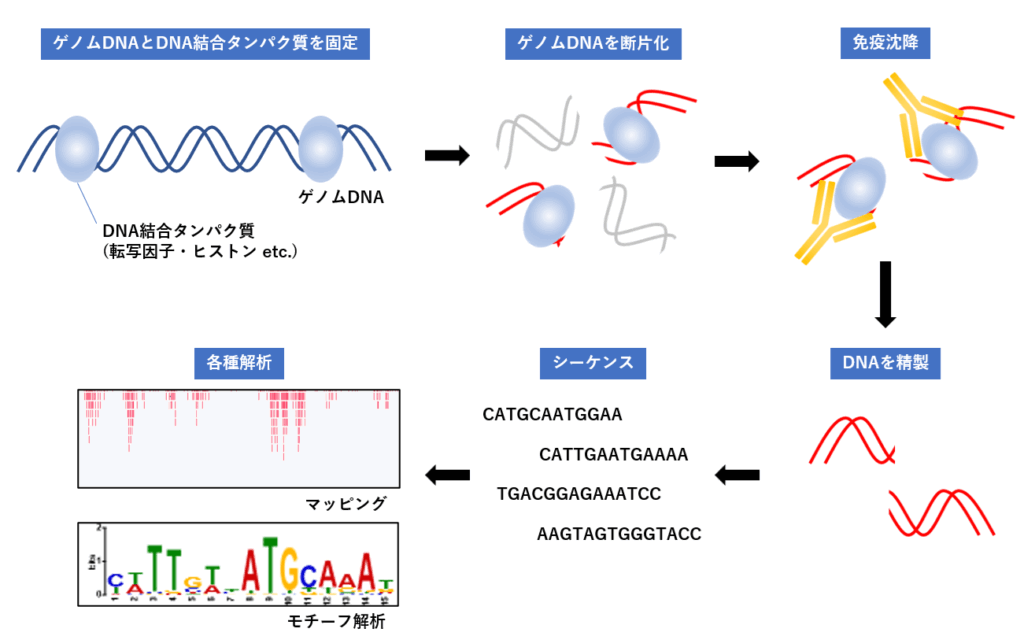
ChIP-seq
From sample preparation, data analysis and interpretation, we can handle tests and analyses to suit your research questions regarding ChIP-seq assays. >>Study details
Others
Establishment and storage of primary culture cells
From primary culture establishment and customized cultivation techniques to advanced 3D culture methods, we offer comprehensive cell culture capabilities to meet your specific research needs. >>Study details
Custom-order contract services
Our team of experienced researchers are always available to respond to your requests and develop tests specifically for your research study. >>Click here to see our track record of custom-order contract services.