
Study Overview
We are able to evaluate the efficacy of medications and health foods through testing on human, animal, and cell culture samples.
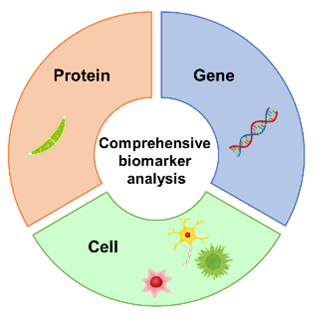
Biomarkers are molecules or substances that can be detected in a human body, allowing the detection of different physiological states such as illness, immune response or metabolism. Some examples of these biomarkers include gene expression, proteins, and the presence and/or quantity of certain cells. By measuring changes in these biomarkers, we gain a better understanding of how medicinal substances or health foods can affect the body.
At ACEL, we provide a wide range of biomarker testing services by leveraging our extensive range of analytical equipment. We can analyze readouts such as proteins, gene expression and cells to support decisions related to the development of products.
In addition to biomarker analysis, we can provide reliability testing, propose other cell-based and in vitro tests, and introduce partner companies such as those that carry out clinical studies.
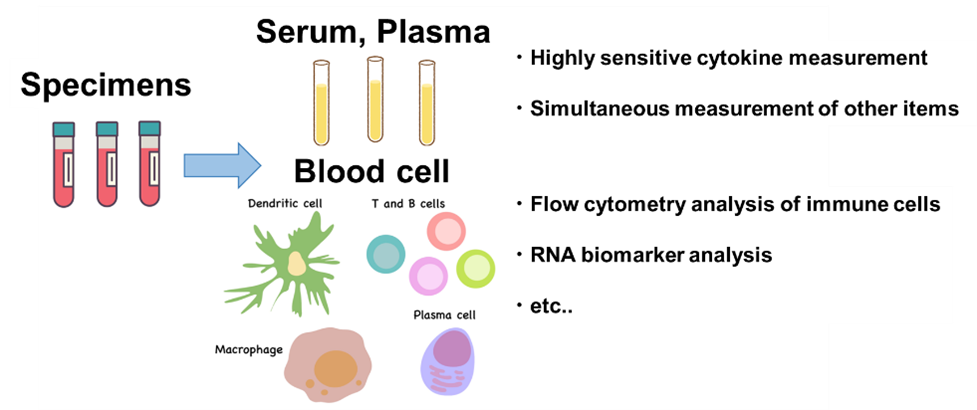
Example: Analysis using human blood samples
Our biomarker service capabilities
At ACEL, we provide optimal biomarker analysis services tailored to our customers objectives, utilizing a variety of analytical technologies, such as traditional ELISA, real-time RT-PCR analysis and cutting-edge approaches such as High Content Analysis.
Highly sensitive biomarker analysis
Highly-sensitive electrochemiluminescence(ECL) tests can detect very small changes in biomarkers such as cytokines and chemokines in blood samples from healthy people and patients with different diseases.
Using this approach, we can measure biomarkers that cannot be easily detected with ELISA methods. Additionally, we can measure multiple biomarkers in parallel using a small amount of sample. Based on your testing needs, we will propose the most appropriate approach that balances cost, time and research needs.
Examples of analysis
- Highly sensitive measurement of type I interferon (IFN-α, IFN-β, etc.) and Th1/Th2 cytokine concentrations in serum from healthy individuals before and after the ingestion of functional food ingredients.
- Highly sensitive measurement of myokines, metabolic factors, and cartilage synthesis markers in serum before and after the ingestion of functional food ingredients.
- Highly sensitive measurement of inflammatory disease-related factors, neurodegeneration-related factors, angiogenesis-related factors, and metabolic factors associated with various diseases.
Multiplex immunoassay
Our multiplex testing approach allows the simultaneous measurement of many biomarkers at the same time, while using a small amount of blood plasma or serum. This approach is similar to ELISA, and is based on immunoassay principles.
By using only a small volume of sample, we can perform many tests for different biomarkers on a limited sample volume. This is particularly relevant for biomarker screening, understanding biomarker expression patterns and cell-based testing.
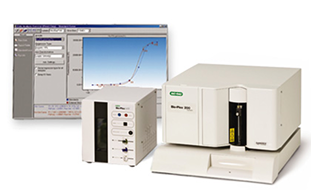
Analysis examples
- Comprehensive analysis of biomarkers such as cytokines, chemokines, growth factors, myokines, and hormones related to the effects of functional food ingredients, pharmaceuticals, and disease.
- Comprehensive analysis of cytokines, chemokines, and other biomarkers in culture supernatants of PBMCs treated with functional food ingredients and pharmaceuticals.
Functional analysis of immune cells using flow cytometry
Certain cells, such as immune cells can be influenced by certain medicines and functional foods. By using flow cytometry, we can detect changes in cell populations to understand how they change in response to these substances.
Flow cytometry allows for multiplex target detection and high-throughput sample screening. By combining an automated plate loader system, the throughput can be enhanced even further. Our flow cytometer is configured with 4 lasers, allowing for the detection of 13 different fluorescence channels. This allows for the detection of almost any fluorescent indicator in your sample.
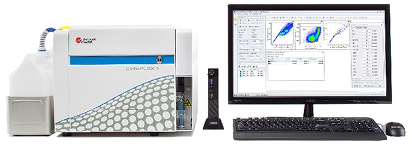
Analysis example
- Measurement of pDC (plasmacytoid dendritic cell) and cDC (conventional dendritic cell) activity before and after ingestion of functional food ingredients
- Measurement of TBNK (T, B and NK Cell) subset composition, activity changes, and phagocytic activity before and after ingestion of functional food ingredients
- Measurement of immune cell subset composition and activity changes related to the therapeutic effects of pharmaceuticals
RNA biomarker analysis
Using advanced gene analysis methods such as RNA sequencing and microarray analysis, we can identify RNA markers related to drug response.
For RNA biomarker studies, we prepare the RNA samples in-house, while the RNA sequencing and microarray testing are carried out by our external partner laboratory.
Analysis example
- RNA biomarker analysis of PBMCs before and after the ingestion of functional food ingredients
- Identification and analysis of RNA markers related to disease and drug response
- Small RNA-seq analysis of exosomal miRNAs
- Profiling of tumor-infiltrating lymphocytes
Proteome analysis with Olink
We perform protein analysis using Olink’s Proximity Extension Assay (PEA) technology.
Simply put, this method allows the simultaneous detection of many different proteins in biological samples.

Acceptable specimens
We may be able to work with samples other than those listed below, so please feel free to contact us if your sample type is not on the list.
Biological samples derived from various animals
- Plasma
- Serum
- PBMC
- Urine
- Various organs
Various cell culture supernatants and cell lysates
Important Notes
Please contact us in advance as we may not be able to accept highly infectious samples (such as samples from patients confirmed to be infected with HIV, HCV, HBV, etc.).
For human-derived samples, please obtain informed consent before providing them. We also ask that you anonymize the samples so that personal information cannot be identified.