
Study Overview
iPS cells were created by Professor Shinya Yamanaka at Kyoto University. These special cells are capable of differentiating into different kinds of cells, with better longevity compared to primary cells. iPS cells can be produced with cells from our bodies through a reprogramming process, allowing for the generation of person-specific iPS cells. Because of these features, iPS cells are expected to be useful in many areas, such as cell therapy, disease research, and new drug development.
However, successfully working with iPS cells requires a lot of resources, skill and time. Our expertise with cellular studies allows us to support many kinds of projects and studies related to the use and development of iPS cells. We are able to provide support from background research, experiment design as well as data analysis through our expertise and experiences.
We are also continuously improving and expanding our iPS cell-related services and capabilities, so if you do not see a test listed here, feel free to contact us and we can develop and carry out a customized test based on your request.
*ACEL, Inc. has signed a patent license agreement with iPSC Academia Japan, Inc. to use specific iPS cell lines for the studies listed below. This means that customers do not need to sign a separate license agreement with iPS Academia Japan, Inc to use these cells.
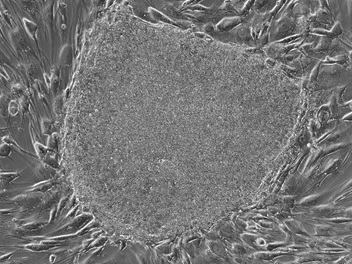
Photo of human iPS cells
List of contracted services
Examination of iPS cell culture conditions
Cell adhesion, cell proliferation, maintenance of undifferentiated state, cryopreservation conditions, etc.
We can conduct evaluation and characterize the overall state of iPS cell cultures.
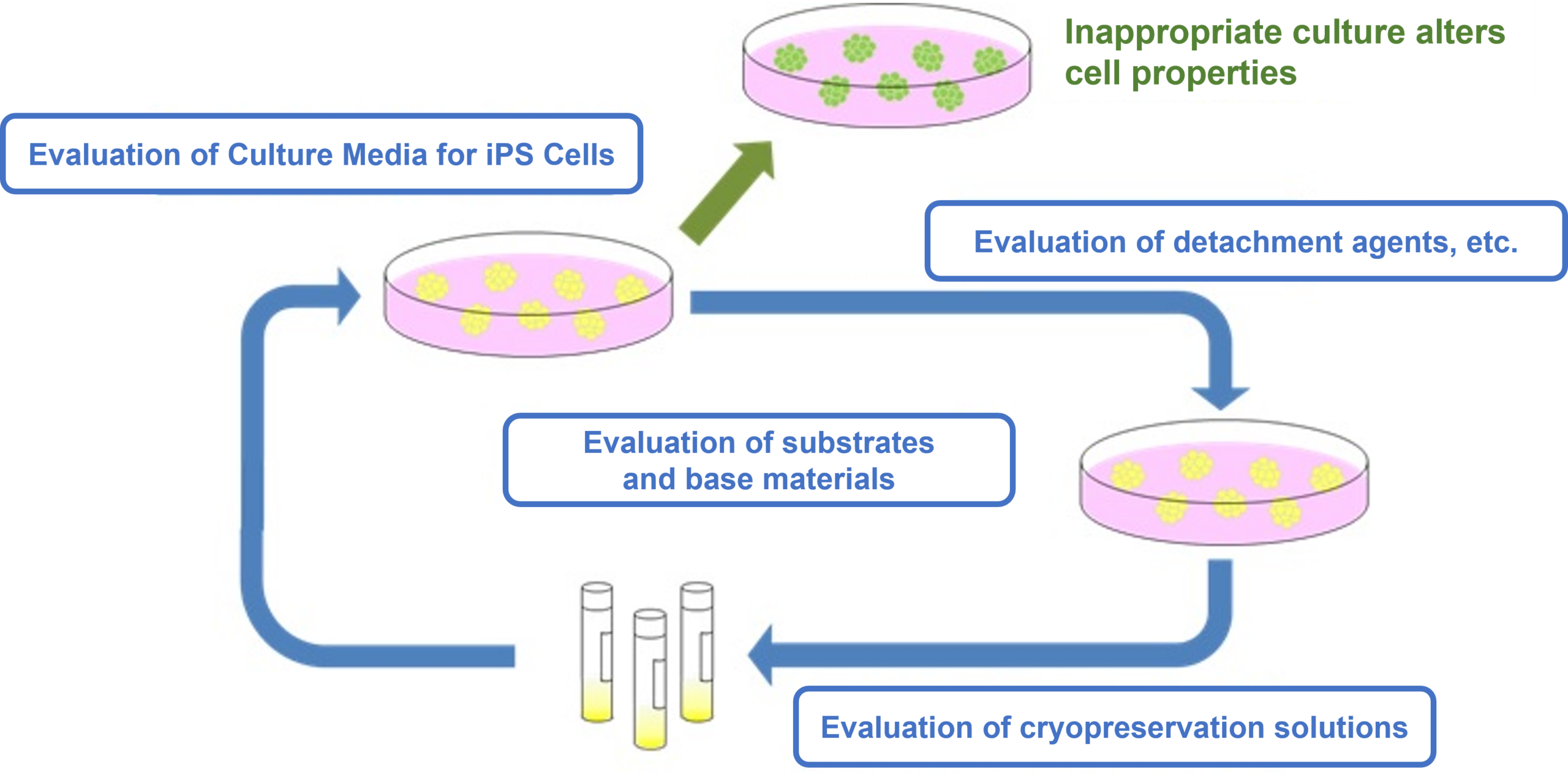
Human iPS cells are very sensitive to their growing environment. If the culture medium is not changed properly, or if the cells are handled incorrectly during splitting or freezing, the cells may change and no longer keep their original healthy state. They may also lose their ability to change into many different kinds of cells. In addition, the best way to grow iPS cells can differ depending on the type of cells and how they were originally prepared, so many different methods are used and improved over time.
We are able to test and evaluate your iPS cell culture conditions, such as the culture media, compounds, cell culture dishes and tools, coating materials, cell removal solutions as well as cryopreservation solutions. We evaluate iPS cells under different conditions and provide results related to cell growth, cell attachment, whether the cells are able to maintain a healthy state, as well as the ability to differentiate. Based on these aspects, we provide advice on the most suitable culture conditions for your study needs.
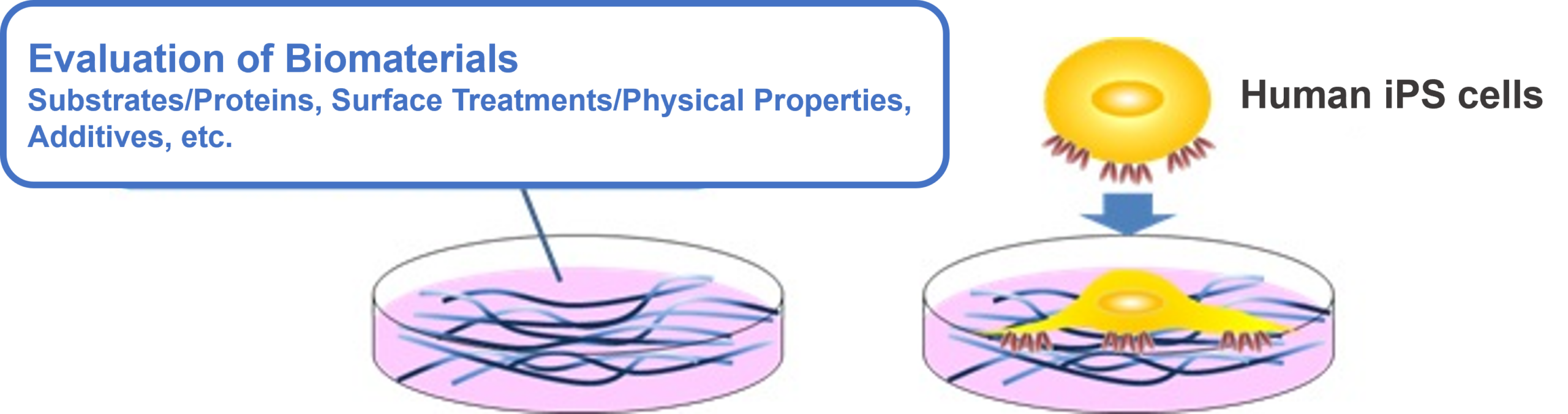
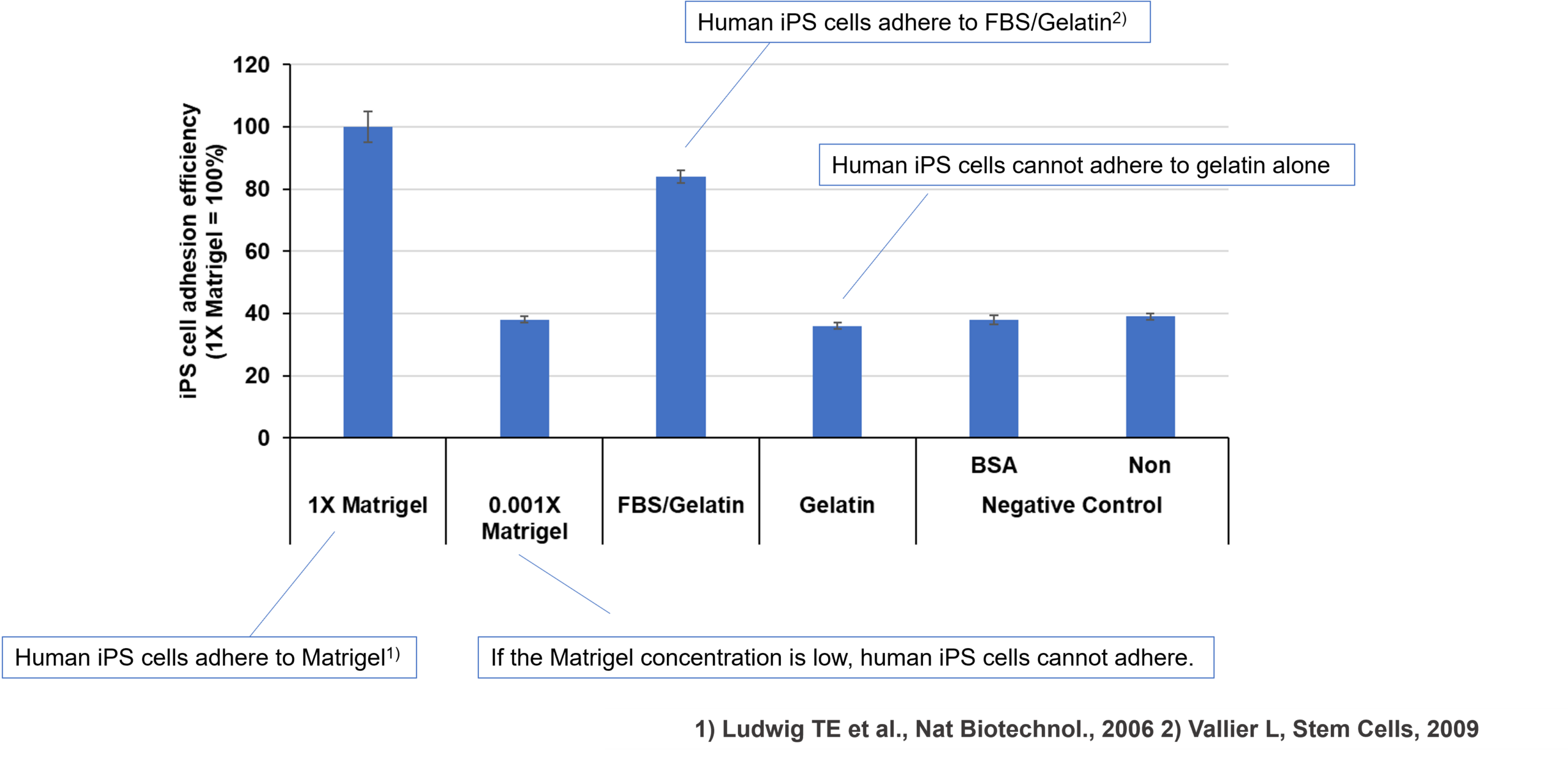
①Adhesion evaluation study
Human iPS cells are typically cultured with feeder cells, but applications in regenerative medicine and cell research use feeder-free systems due to variability and other potential safety risks. Current feeder-free techniques require coating culture plates with specialized materials that are often expensive, inconsistent, and difficult to handle. Consequently, there is a clear need for a simpler, more stable, and more cost-effective method for growing human iPS cells.
We can perform studies to evaluate how well iPS cells can attach and grow under your specified conditions. This can include custom reagents, coating materials and culture media that you are developing.
As part of the evaluation, we can monitor cell shape, growth rates, whether the cell is healthy, and the differentiation capability after the cells have adhered to the surface.
②Undifferentiated state evaluation study
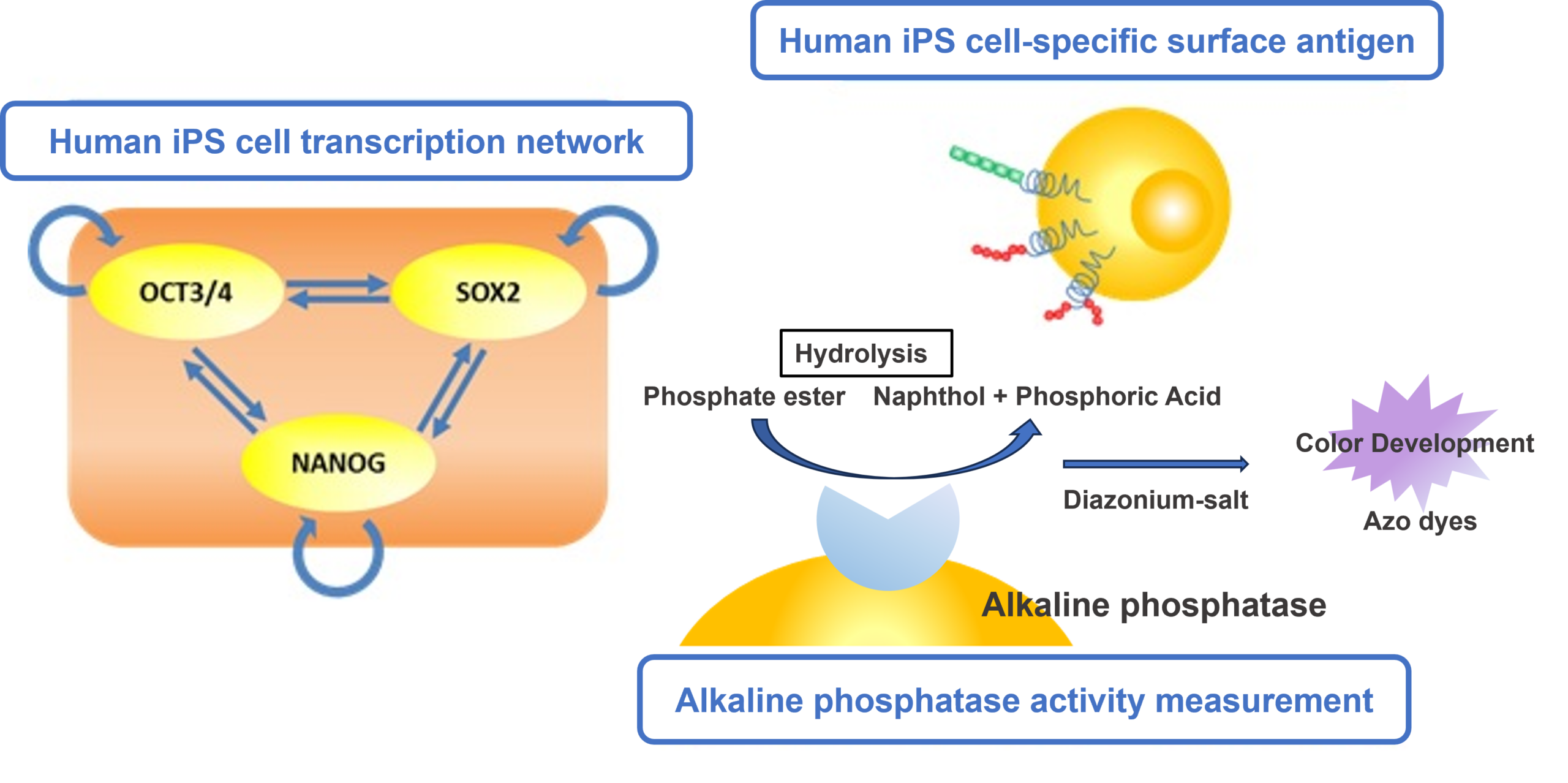
Several genes are responsible for preserving the pluripotent state of iPS cells. These include genes such as OCT3/4, NANOG and SOX2. In addition to these genes, other markers on the cell surface such as SSEA-4, TRA-1-60 and TRA-1-81 or alkaline phosphatase can be evaluated as readouts of healthy undifferentiated iPS cells.
By checking the expression levels and activity of these markers and genes under the cell culture conditions you would like to test, we can determine if these conditions are affecting the health and differentiation capabilities of iPS cells.
Immunostaining of undifferentiated markers in human iPS cells (in-house test data)

Optimization of differentiation protocols for iPS cells.
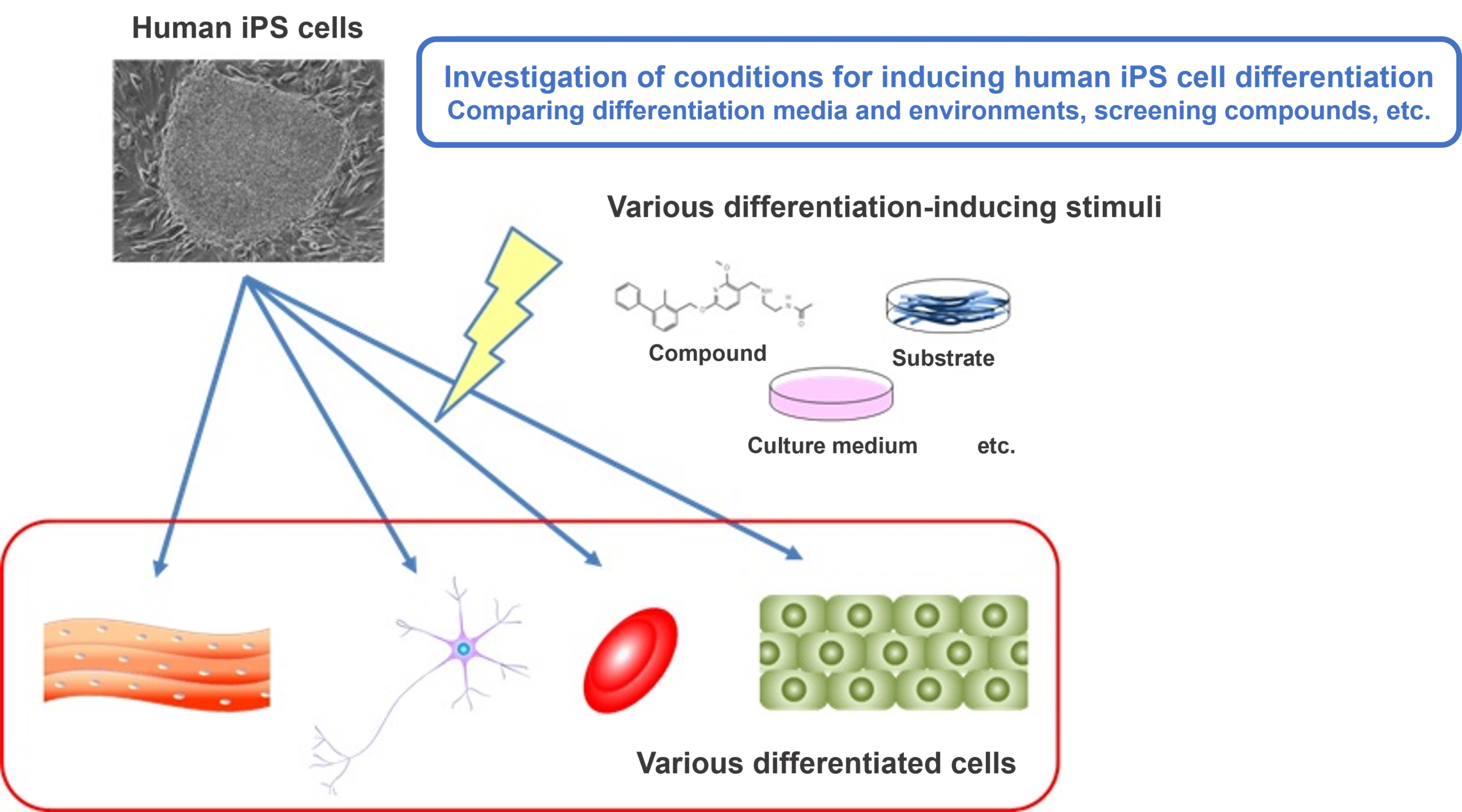
We can evaluate different approaches for iPS cell differentiation using different protocols.
Human iPS cells are able to differentiate into almost any cell type in the body. However, the method and approach for differentiation varies based on the cell type, and optimization is needed to identify the most appropriate approach.
We are able to perform comparison studies of iPS cells under multiple differentiation conditions for various cells types. These tests are important for drug discovery screening, new method development, and improving existing methods for cell differentiation. As part of this testing, we can evaluate how drugs or substances can influence the health and differentiation ability of iPS cells by monitoring cell markers and functional evaluation. Using our wide variety of equipment such as real-time PCR, plate readers, high-content screening equipment, we are able to evaluate a large number of samples quickly and efficiently.
Beating of human iPS cell-derived cardiomyocytes (video)
*All our studies are mainly performed and handled by our team of PhD scientists.